Pilot careers
How to Become a Commercial Pilot After 12th in India
A clear roadmap from Class 12 to CPL ground classes, medical checks, flying training and licensing—without confusing ground school with flight training.
4 min readRead guide
High Aero Academy · Tagore Garden
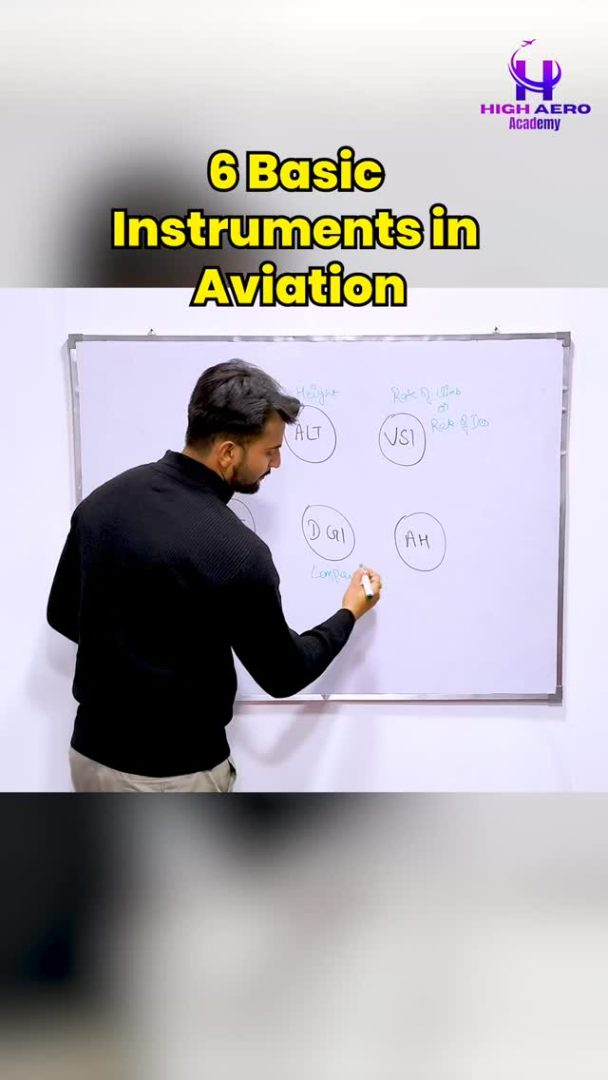
DGCA ground preparation at High Aero Academy covers Air Navigation, Aviation Meteorology, Air Regulations, Technical General and Specific subjects, with RTR(A) guidance. The academy offers syllabus-based preparation; DGCA examinations and licensing requirements are set by the regulator, not by the academy.
List the subjects you need and clarify educational documentation with the admissions team.
Study the principles before practising calculations and exam-style questions.
Keep a record of weak topics and work through the underlying explanation.
Confirm current syllabus, application dates, documents and examination instructions through DGCA's official channels.
A class completion certificate is not a CPL, an examination pass guarantee or a job offer. Ground preparation, flying experience, medical fitness and licence issuance are separate parts of the pathway. Ask how your ground-class plan relates to your next training stage.
Request the current batch fee, inclusions and instalment terms from admissions. Scholarships of up to 80% depend on a selection test and panel evaluation; they are not automatic. Ask which practical activities are included in your programme.
1st Floor, Vishal Enclave, A-24, near Vishal Cinema Road, Block A, Tagore Garden, New Delhi 110027CPL ground classes prepare students for the theoretical subjects required for a Commercial Pilot Licence, including Air Navigation, Meteorology, Air Regulations and Technical subjects. Flying training provides practical aircraft experience and must be completed through an appropriately approved flying training organisation. High Aero Academy offers pilot ground preparation and guidance.
Yes. Students who have completed Class 12 with Physics and Mathematics can pursue the commercial pilot training pathway in India, subject to applicable DGCA age, medical, examination and licensing requirements.
Yes, students from commerce or arts backgrounds may pursue a commercial pilot career after meeting the required Physics and Mathematics qualifications through an accepted educational route. Students should confirm the latest DGCA requirements before applying.
High Aero Academy's pilot ground classes cover Air Navigation, Aviation Meteorology, Air Regulations, Technical General and Specific subjects, along with RTR(A) guidance and exam preparation.
A Commercial Pilot Licence (CPL) allows qualified pilots to exercise commercial flying privileges, subject to applicable conditions and ratings. An Airline Transport Pilot Licence (ATPL) is a higher-level licence requiring additional experience and examinations for relevant airline command privileges.
Yes. Medical fitness is an important part of the commercial pilot licensing process. Candidates must satisfy the applicable DGCA medical standards, including Class 1 medical requirements for CPL issuance.
The Indian CPL pathway generally requires at least 200 hours of qualifying flight experience, including specified types of training and flight time. Students must also meet the applicable DGCA examination, medical and licensing requirements.
High Aero Academy features simulator exposure as part of its aviation learning experience. Students can contact the admissions team for details about simulator sessions included in their selected programme.
Pilot careers
A clear roadmap from Class 12 to CPL ground classes, medical checks, flying training and licensing—without confusing ground school with flight training.
Talk to an aviation career advisor. Free, no pressure.